
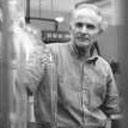
Scientists must use alternative media, such as broadcasting on the internet, to deliver their message accurately to the public, says Nobel Prize winner Sir Harold Kroto.
Ahead of a lecture he is delivering tonight on science communication at University College London, Sir Harold, professor of chemistry at the University of Sussex, attacked mainstream newspapers and television for poorly communicating science to society.
Sir Harold believes science is poorly represented in the media. He said: "The media doesn't understand science, so they don't think anyone else will.
"If you look at television discussions on GM foods, it usually doesn't include a scientist - the people who might actually know what they are talking about."
He went on to compare media practitioners who report on science without the necessary training with a "tone deaf" manager of the Royal Opera House.
"Science is poorly represented in the media, partly because scientists don't have access to the communicating mediums," he said.
Sir Harold is a trustee of The Vega Science Trust, which aims to create a platform for the science and technology communities, enabling them to communicate their fields of expertise using television and new internet opportunities. The trust has made more than 40 programmes, 30 of which have been broadcast on the BBC's learning zone.
Sir Harold was a joint winner of the 1996 Nobel Prize for chemistry, awarded for the discovery in 1985 of the structure of buckminsterfullerene, a form of carbon.
The lecture, to be delivered tonight on behalf of The Save British Science Society, is titled The Internet and Science, Technology and Engineering in Education.
Sir Harold said its main focus will be on using the internet as a broadcasting medium for scientists.
