Riversimple
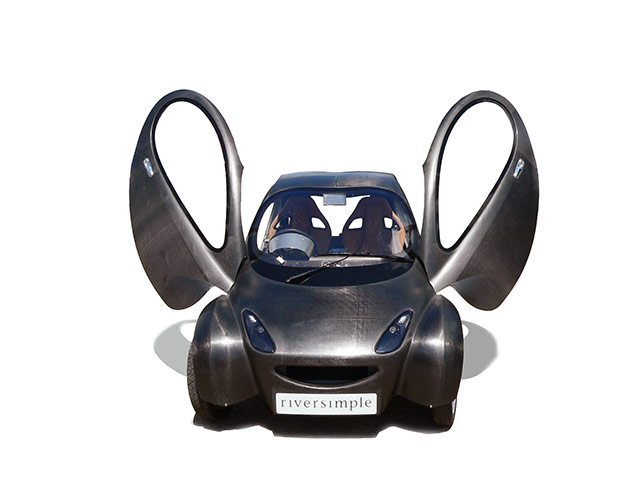
The Riversimple car can reach 80km/hr (50mph) with a range of 322km (200 miles), with fuel consumption claimed to be equivalent to 300 mpg. The cars will be leased with fuel and repair costs included, at an estimated $315 (£200) per month. The company hopes to have the vehicles in production by 2013; next year, it will release 10 prototypes in an unconfirmed UK city Photograph: PR
Nominated by Wayne Hemingway and Sebastian Conran
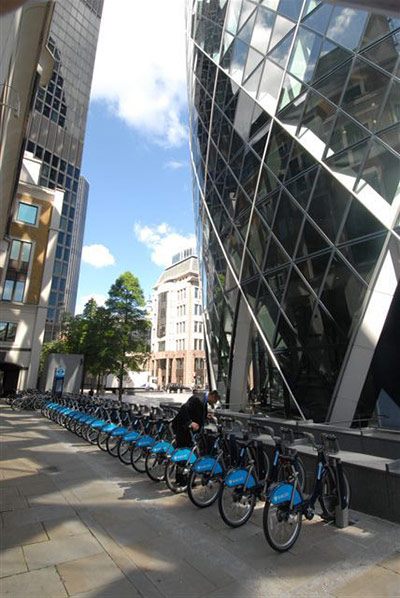
"I use it two or three times a week." says Hemingway. "It's affordable, simple to use; the bikes are solid; the strap and basket holds my briefcase safely; the docking system has ensured that there is minimal theft; it's well-managed and, most importantly, it's helping to add critical mass of cyclists to a city that needs to teach car drivers (and especially taxi drivers) to be more tolerant of the cycling massive ... a triumph and welcome addition to this great city" Photograph: PR
Amplify
Nominated by Michelle Ogundehin
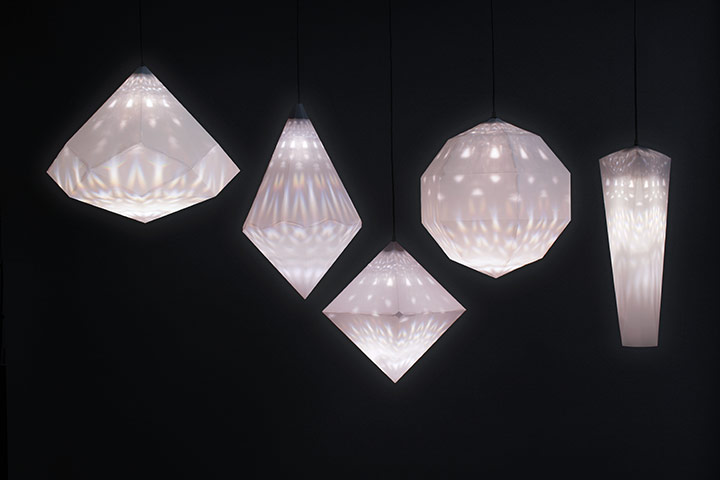
Decorative innovation combining one crystal and one low energy LED light within a simple, frameless, faceted paper shade Photograph: PR
Nomad
Nominated by David Rowan
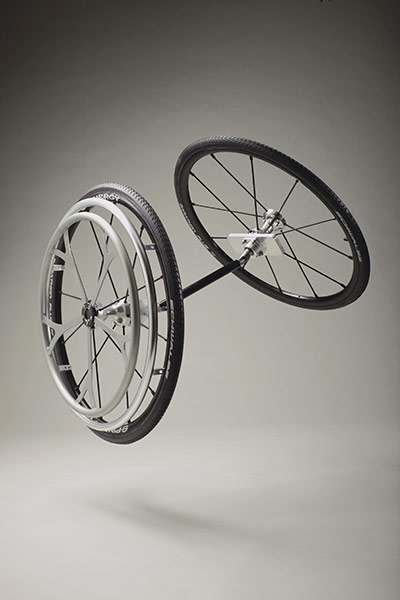
Nomad's lightweight one-arm wheelchair drive, built with Spinergy wheels, can be retrofitted to nearly all chairs Photograph: PR
Pavegen Systems
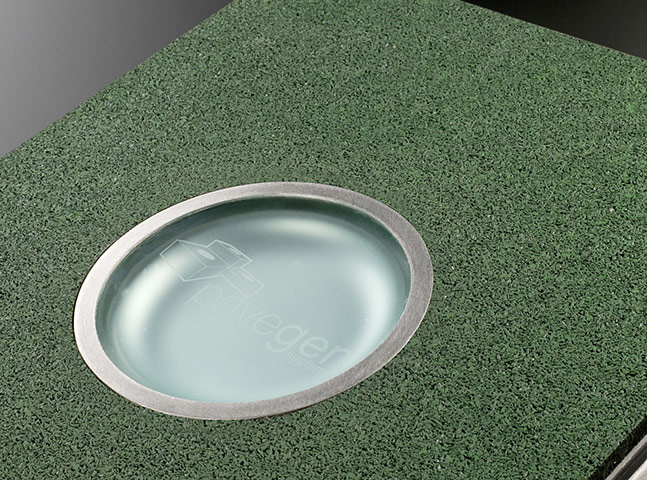
The designers call it "stealth energy". When a person steps on one of these paving stones, 5% of the energy created lights up a central LED light. The rest is stored in a battery for up to three days and can be used for any low-power application. Could prove revolutionary in public spaces, the judges suggest Photograph: Jennie Hills/PR
Studio Myerscough
Nominated by Ian Cartlidge
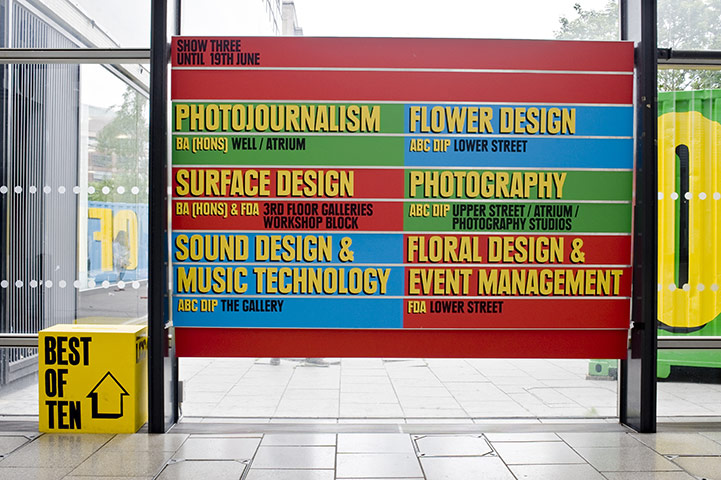
"This signage and environmental graphic project for the London College of Communication is a great example of how a fundamental necessity (navigating a space) can result in a graphic concept that transforms and revitalises a whole building," says Cartlidge Photograph: Aidan Brown/PR
Heatherwick Studio
Nominated by Shane Walter and Paola Antonelli
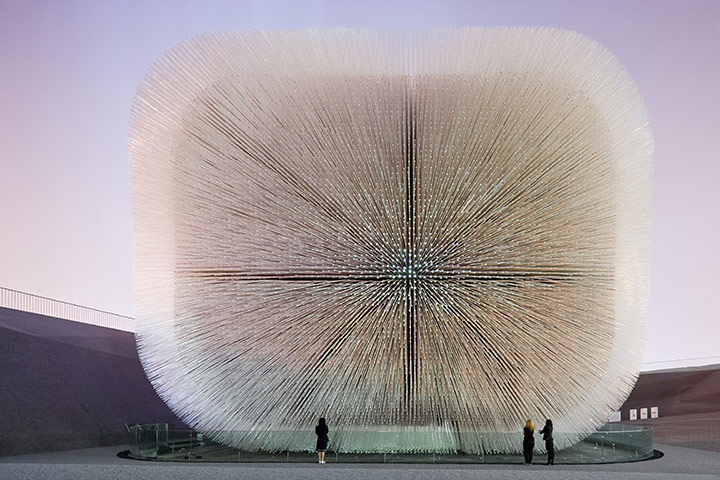
In September 2007, Heatherwick led the winning team in the competition to design the UK Pavilion for the 2010 Expo, or world fair – the largest ever, with 200 countries taking part. The Seed Cathedral was a 20 metre high building, constructed from 60,000 transparent 7.5-metre optical strands, each of which has embedded within its tip a seed. The UK pavilion was one of the most popular attractions, with over 50,000 people visiting per day Photograph: Iwan Baan/PR
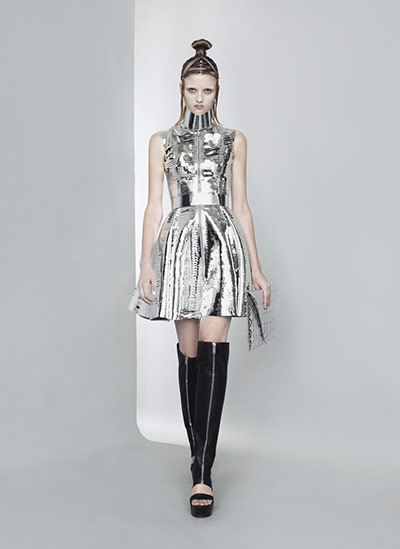
Gareth Pugh
Nominated by Sonnet Stanfill
Pugh showcased his softer side with a collection that was widely hailed as a work of genius Photograph: PR
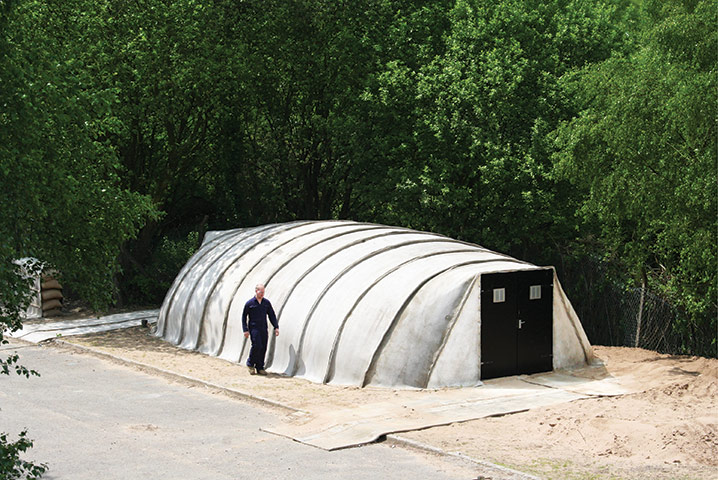
Concrete Canvas
Nominated by Huib Haye van der Werf
A durable and yet flexible temporary solution for a variety of international emergencies. Concrete Canvas shelters are rapidly deployable hardened shelters that require only water and air for construction. The smaller variant can be deployed by two people without any training in under an hour, and is ready to use in 24 hours Photograph: PR
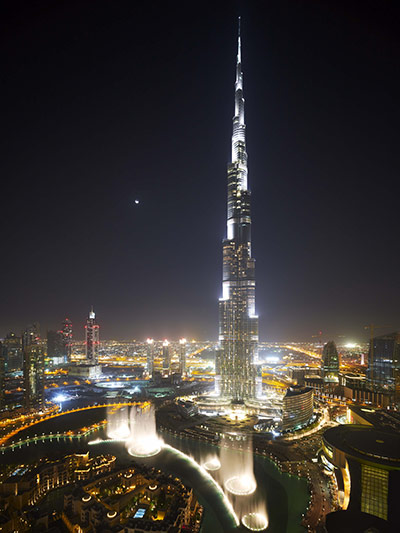
SOM
The Burj Khalifa in Dubai – by Chicago office Skidmore, Owings and Merrill – is, at 828 metres, the tallest manmade structure ever built. It cost 1.5bn and includes residences, offices, a hotel and an observation deck on the 124th floor Photograph: Nick Merrick/PR
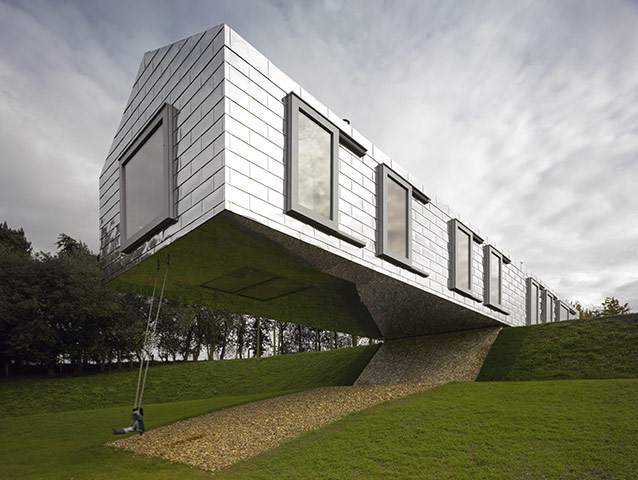
MVRDV for Living Architecture
Nominated by Sam Hecht
Clad in silver tiles, the Balancing Barn dramatically cantilevers over a 45-degree slope. Offers stunning views and a scary swing for the kids. A refreshing if unnerving new holiday home by Alain de Botton's Living Architecture firm Photograph: EDMUND SUMNER/PR
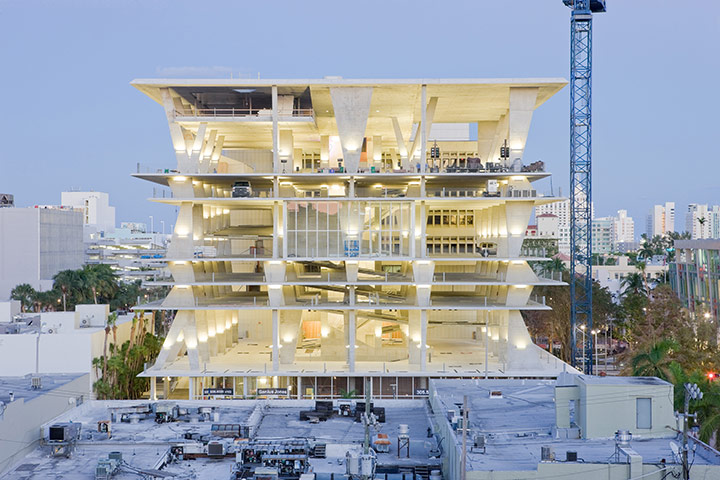
Herzog & de Meuron
Nominated by Raymund Ryan
A reworking of the stacked parking garage, featuring a ground floor devoted to retail and a penthouse apartment with dramatic sloping garden on top Photograph: Iwan Baan/PR
