The lights go down; you settle back in your plush fake-velvet seat; the projector beam ignites overhead; the silver screen begins to glow ... it’s an age-old ritual, and one of cinemas great selling points. But the communal experience of cinema exhibition is under threat as never before. Not content with permanently altering the way TV is consumed with their on-demand, binge-watch-oriented streaming services, the likes of Netflix, iTunes and Amazon are taking aim at the cinema itself. Increasingly emboldened by its success and financial muscle, the big-league digital platforms are looking to buy more high-end feature film product and exert more and more control over where and how it is seen. The age of the digital world premiere for major films is not far off.
At the recently concluded Cannes film festival, for example, much of the talk in the film market revolved around Netflix’s plans for their burgeoning film slate, and how it will affect the larger arena of film distribution. At an industry panel at Cannes, Netflix’s chief content officer Ted Sarandos suggested that the current practice of delaying the release of films on home entertainment platforms until several weeks after they have appeared in cinemas (the so-called “theatrical window”) will no longer be the norm, and that that “movies will be more profitable” if they were to debut online simultaneously with their conventional cinema release.
Netflix is already putting their money where their mouth is: earlier this year they paid $12m for the worldwide rights for Beasts of No Nation, starring Idris Elba and directed by Cary Fukunaga, and late last year, they announced their first original film production, a sequel to the Oscar winning martial arts flick Crouching Tiger, Hidden Dragon in partnership with the Weinstein Company. Both of these films, in the past, would have been coveted by conventional studio outfits – as would the less prestigious, but potentially highly commercial, The Ridiculous Six, a western spoof featuring Adam Sandler that will not be released in cinemas at all. Netflix have three more stream-only Sandler projects in the pipeline; since Sandler is a proven cinema heavyweight, with a career gross of nearly $4bn worldwide, this is arguably Netflix’s most impressive catch to date.
According to Paul Dergarabedian, senior media analyst for entertainment research agency Rentrak, Netflix and its like, will become major players in the film industry, whether Hollywood likes it or not. “Obviously, with the rescources that Netflix and Amazon have, it’s a natural extension to produce their own content, whether it’s TV series or feature films. Anyone who has that level of cash to draw on, automatically you become a major player.” But he doesn’t believe that their strategy will result in the wholesale abandonment of cinema release. “I don’t think the theatrical experience is going away any time soon. I went to see Mad Max on the weekend, and that’s a film that totally lives in the movie theatre. The streaming companies are very smart: they understand the economics, they are malleable and innovative with their distribution strategies. It’s not really in their interest to break the theatrical window.”
The current state of the US box office suggests that fears over the disappearance of what Dergarabedian calls the “champagne experience” of the blockbuster movie is not an imminent problem: record figures for American Sniper and Fast and Furious 7, as well as extremely strong performances from Fifty Shades of Grey and Pitch Perfect 2, don’t appear to be symptoms of decline. “Audiences are agnostic,” says Dergarabedian. “They don’t really care where films come from, so long as they are good.”
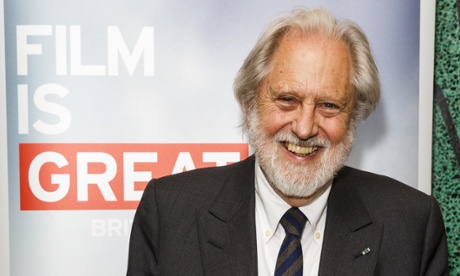
The state of the box office is particularly opposite in the UK, as this year is the centenary of the Film Distributors Association, the industry body that regulates and organises the flow of films into cinemas. Fuelled by the rise of self-distribution and simultaneous day-and-date release of theatrical and home entertainment formats, more and more films are passing through our cinemas, leading to calls for their culling. Even without this added level of competition, there are fears for film-makers’ survival in the digital era: the FDA’s president Lord Puttnam is as concerned over the European Commission’s plan to overhaul the traditional market for films (where they are sold to distributors on a country-by-country basis) and replace them with a “single digital market”. In a keynote speech in April, Puttnam said: “Surely a healthy, vibrant single market can continue to accommodate a plurality of release patterns? This is not discrimination, it’s just common sense.”
The threat to film-makers’ business model from these two sources, at present, appears to be more theoretical than actual. Gareth Ellis-Unwin, producer on The King’s Speech and, more recently, the British war movie Kajaki, says that while “you have to welcome any new opportunities for film content,” the reality is that for anybody operating outside the most high-profile, in-demand areas, “your average Netflix deal is normally very aggressive in its terms. They want a global position, which messes up your ability to sell to broadcast networks in other countries.” In practice, this means that free-to-air TV is reducing in significance all the time as an outlet – “it used to be third or fourth in line, but now it’s seventh or eighth”.
“There’s currently a lot of brinkmanship, and jockeying for position going on, particularly with the broadcasters. The truth is, if you have a King’s Speech, people will fall into line much more readily. With something more difficult, like Kajaki, you have to be more inventive in getting it out there.”
However, Ellis-Unwin says the streaming companies’ activity doesn’t impact on the practicalities of smaller films – the low-budget “speciality” sector – to get made or seen. “It’s irrelevant at the point of financing. Netflix are always going to acquire your film, at some point, but that consideration comes further down the line. The way things work in smaller films, it’s not a panacea.” Instead, he says, the way cinemas themselves have responded to the new conditions – opening venues up for live opera transmissions, or special “discover” nights has promoted a “new agility in their thinking” and provided opportunities for unheralded films such as last year’s underground hit Northern Soul.
While digital technology means that accessibility and flexibility of films may have increased radically, activity at the coal face also suggests a revival of interest in old-fashioned celluloid may be on the way – rather like music fans embracing of obsolete vinyl formats. The Close-Up Film Centre in London says that its plans to screen old John Cassavetes films on their original 35mm prints resulted in viral levels of interest. Damien Sanville, Close-Up’s director, says that while projecting 35mm is a selling-point in itself, it’s really about respect for the original artists and their work. “They shot their films in this medium, for specific reasons, so it goes without saying we should respect what they wanted to do. They are achieving great things with digital technology, but the contrast is clear. Why would you not exhibit an original oil painting but an extremely good print or photocopy of it instead?”
However, films are watched, and whether audiences are truly “agnostic”, as Dergarabedian suggests, it looks like the cinema will be around for a good while yet.
