While the groovy space colonies of the 1970s never materialised, recent developments in space travel and life support have revived the dream to live off-planet
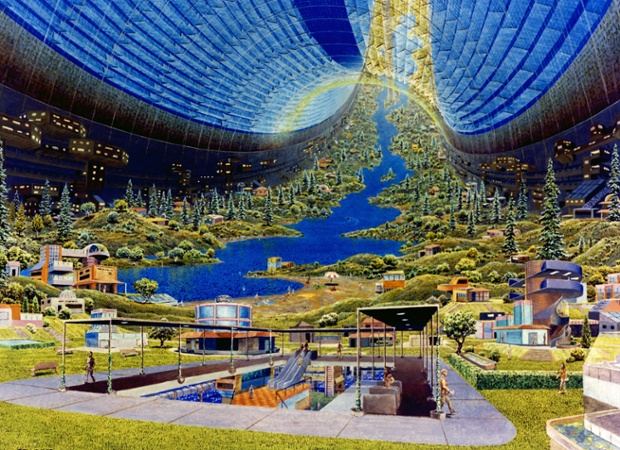
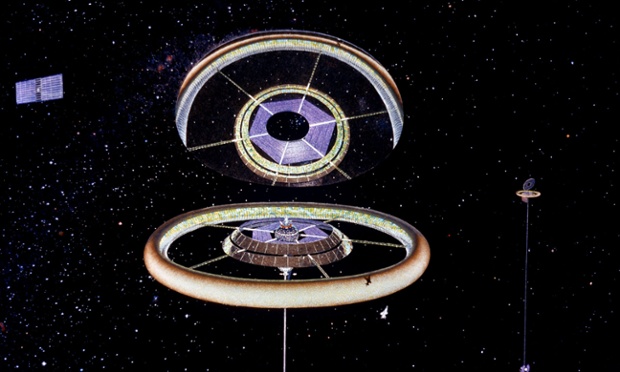
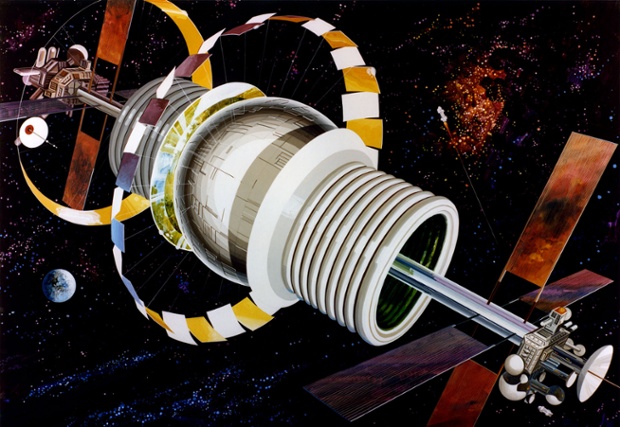
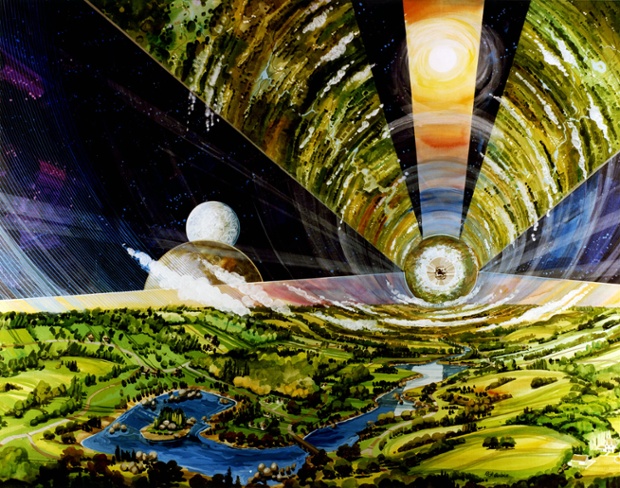
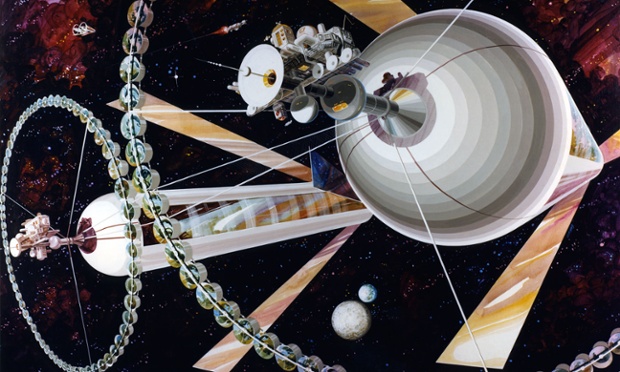
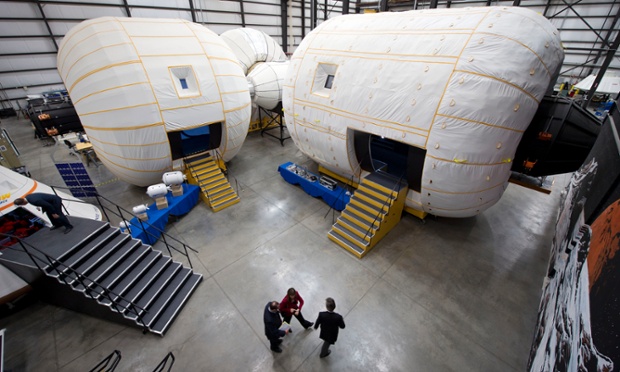
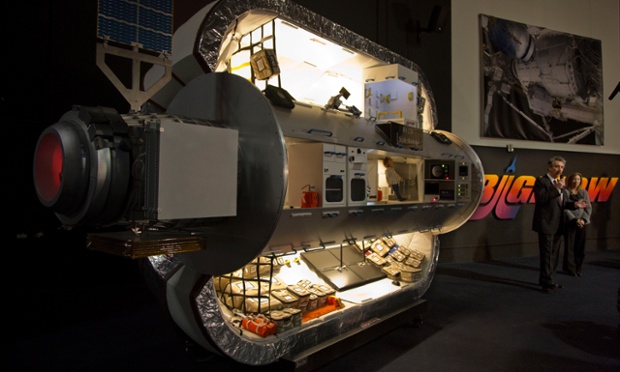
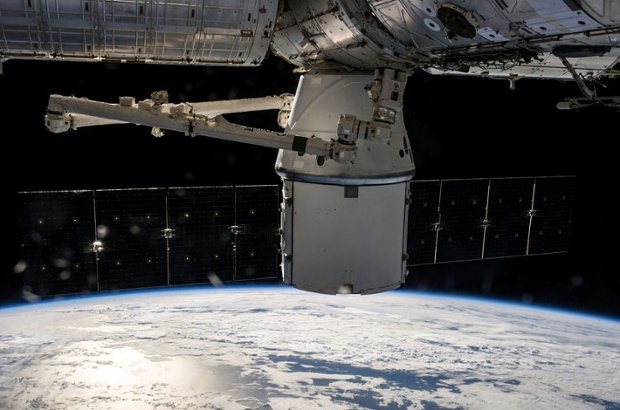
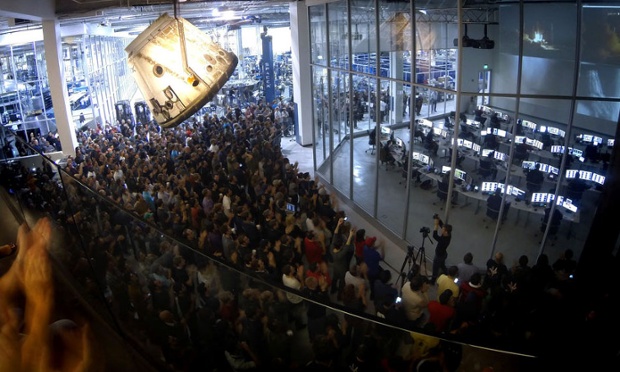
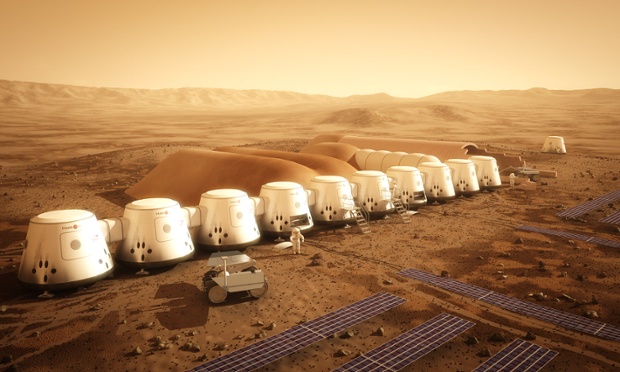
Nasa's Ames Research Centre in Silicon Valley, CA conducted studies into three types of space colony in the 1970s. The image above by Don Davis imagines how the interior of a toroidal colony could look. Image: Nasa Ames Research Centre Photograph: Nasa Ames Research CentreThe exterior of a toroidal space colony, as imagined by Don Davis. Image: Nasa Ames Research CentrePhotograph: Nasa Ames Research CentreThe interior of a bernal colony, drawn by Rick Guidice. Image: Nasa Ames Research CentrePhotograph: Nasa Ames Research CentreThe exterior of a bernal colony, by Rick Guidice. Image: Nasa Ames Research CentrePhotograph: Nasa Ames Research CentreThe third type of colony explored in the Nasa project was cylindrical. Here the interior of a cylindrical colony is imagined by Don Davis. Image: Nasa Ames Research CentrePhotograph: Nasa Ames Research CentreThe exterior of a cylindrical space colony, by Don Davis. Image: Nasa Ames Research CentrePhotograph: Nasa Ames Research CentreA full-scale mockup of Bigelow Aerospace's space station Alpha. Bigelow has signed a deal to supply Nasa with inflatable living modules for the International Space Station. Photograph: Nasa/Bill Ingalls/GettyPhotograph: NASA/Bill Ingalls/Getty ImagesBigelow Aerospace president Robert Bigelow (left) – who made his fortune with a chain of budget hotels – and Nasa deputy administrator Lori Garver with a one-third scale model of a BA 330 module, on which the BEAM unit for Nasa will be based. The soft shell allows the module to fit into a small launch vehicle and then inflate in space. Photograph: Julie Jacobson/APPhotograph: Julie Jacobson/APBigelow's inflatable living module is set to be transported to the ISS by SpaceX, another private company in the space race. Owned by PayPal co-founder and Tesla CEO Elon Musk, SpaceX has flown its unmanned Dragon spacecraft to the ISS three times using its own Falcon 9 rockets and is working on a manned version. Photograph: SpaceXPhotograph: SpaceXSpaceX workers watch a Falcon 9 rocket launch from the company's HQ in Hawthorne, California. Musk has stated his long-term aim is to “die on Mars, preferably not on impact”. SpaceX hopes to develop Falcon 9 into a "Mars Colonial Transporter", which would take colonists on a one-way trip to the red planet for around $500,000. Photograph: SpaceXPhotograph: SpaceXAnother potential Mars colonist is Dutch company Mars One, which says it wants to send four astronauts on a one-way trip to set up a human colony on the red planet in 2023. The colonists would have to adapt to surface gravity that is 38% of that on Earth, which could cause such a change in their bone density, muscle strength and circulation that they would not be able to survive here if they were to return. Pictured is an artist's impression of the Mars One colony. Image: Bryan Versteeg/mars-one.comPhotograph: Bryan Versteeg/mars-one.comDespite questions about the project's feasibility, Mars One received more than 200,000 applications. It has whittled those down to 1,058 candidates who will go through to phase two. Maggie Lieu (pictured), a 23-year-old astrophysics PhD student, is one of them. Photograph: Karen Robinson