
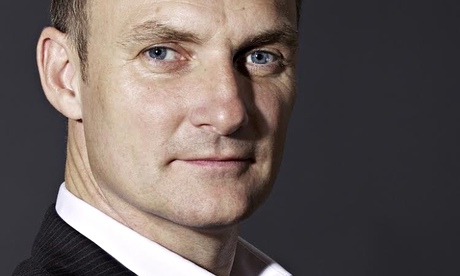
Hi Tyrone, what can you tell me about Genesis Cinema?
Genesis Cinema is an independent, family owned and run cinema in Whitechapel, east London. Unbeknownst to me when I bought the derelict building over 16 years ago, my mum and dad did all their courting here in the 60s. We screen mainstream, independent and short film; showcase new artists in our gallery; host poets, comedians and scriptwriters on stage at our cocktail bar; put on a number of events and festivals, and drink a lot of espresso from our Grindhouse Café downstairs.
We aim to be a cultural hub for east London in a discrete, non-threatening way. We do this by creating a space where people can just come and hang out, maybe for a coffee or cocktail, and find themselves exposed to something they might have been reluctant to engage with, like a poetry slam, then realising that it’s actually pretty cool. If it’s not their cup of tea, that’s okay, but at least they now have a valued opinion of it. That’s how people should experience art.
How do you encourage diverse audiences through the door at Genesis?
I would love to say we have an advanced research algorithm that helps us, but it’s more a case of not discouraging a diverse audience. We’re in east London, which probably has one of, if not the most, diverse populations in the UK, both culturally and economically, so we work very hard not to put any barriers in the way of audiences.
We show what we consider to be the best product possible, whether it be commercial mainstream, indie or world cinema. We have a number of price points for the different environments in which we show the films, for example, our sofa-filled Studio 5, which can accommodate up to 40 people. The biggest and most regular compliment we get is that our staff are so friendly and helpful, which is one of the most important things in gaining the diverse audience we have.
The key is: the film programme, the price and a smile!
Are you excited by the future of the cinema experience?
We’ve just installed (immersive cinema lighting system) Philips Lightvibes, making us the first commercial cinema in the world to be able to exhibit with this technology. It’s a system that uses LED panels to create ambient light in the auditorium, reflecting the mood of the scene playing on screen.
Initially this is going to be used for live events that we’ll show via satellite, such as concerts and opera and so on, but Philips is already talking to the studios about making feature films incorporating the technology. I was sceptical at first because I’m a real film purist, but it’s very cool the way the guys integrate it with what you’re watching on screen. Expect to see more of it, but remember the little East End indie that took the plunge first.
Is British film in good health?
It is and there are a number of factors. We have incredible talent in this country and in terms of engineering, we have always been respected worldwide. Over the past decade, it has become more respectable to follow a career in film. In fact, 10 years ago, people would say a film career was an oxymoron. The skill set in engineering is extremely similar to the one required in film-making and the amount of former engineers in this industry (myself included) is incredible. I guess we’re all creative people who are now being “allowed” into one of the great creative industries and as traditional engineering jobs have diminished, there has been a positive brain drain into film.
The British Film Commission (Film London and its associates) is also working closely with Justine Simons, head of culture for the Mayor of London, and has made the capital an extremely attractive place to make films. This has translated to the rest of the country, which has resulted in a huge increase in UK production and therefore home award successes as well as increased jobs and income for the sector.
This doesn’t mean we can rest on our laurels; it just means we are in good shape to build upon further because what is seen as the more traditional film career – writing, directing, producing, acting – is getting tougher and tougher for UK talent.
What other challenges do you see facing the British film industry in the next 10 years?
We need to be sharpening our business skills, but we must recognise that we need to keep pushing the boundaries not only with film technology but with scripts and film techniques too. That’s where our strength has always been as a tiny nation: we continually punch above our weight when we’re inventive.
What do you think about live-streaming shows and re-screening old performances into cinemas?
It’s a really good thing both for us and the audience. It gives me a real buzz to know that we can give access to Royal Opera House productions or Danny Boyle’s Frankenstein to an audience in an environment in which they will feel comfortable. It’s not just about physical comfort; it’s about coming to a place that they’ve been visiting for years, so they already fit in.
Tyrone Walker-Hebborn is director of Genesis Cinema and co-founder of the East End Film Festival
More like this
• Create’s Hadrian Garrard on gentrification in east London
• Film careers tips from Sheff Doc/Fest’s Charlie Phillips
• Why British film is not thriving
Join our community of arts, culture and creative professionals by signing up free to the Guardian Culture Pros Network.
