The isolated village of Pasiri and the Uros people of Lake Titicaca, in southern Peru, are two of the communities to have benefited from an EU-funded project to install solar panels in poor countries
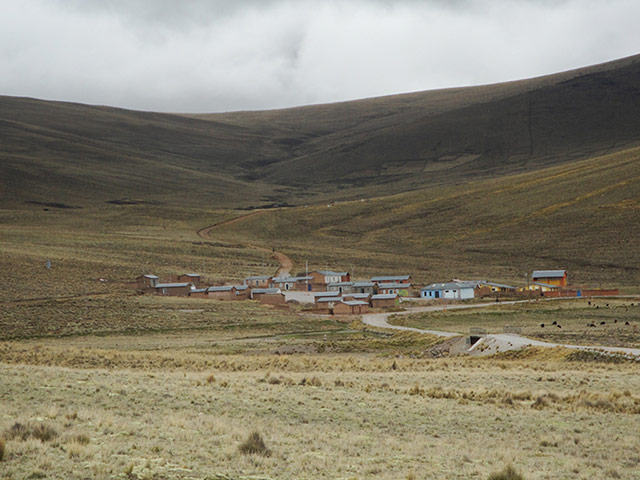
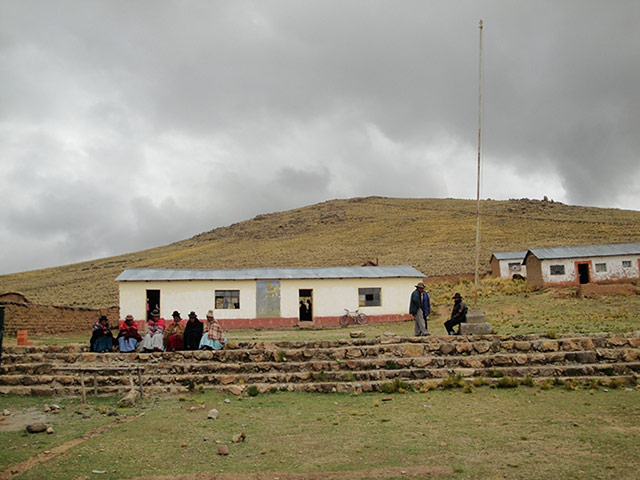
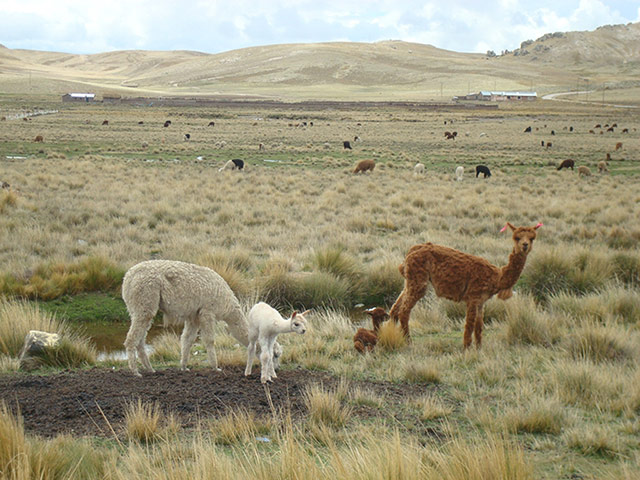
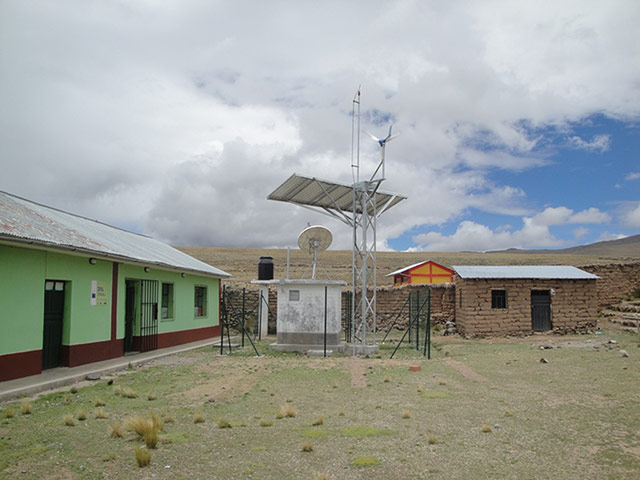
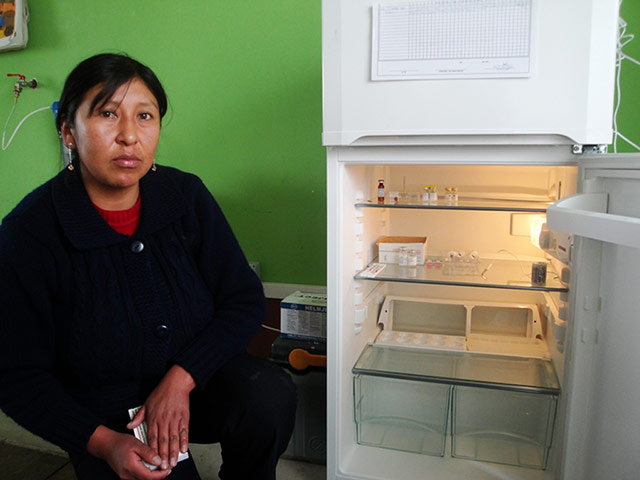
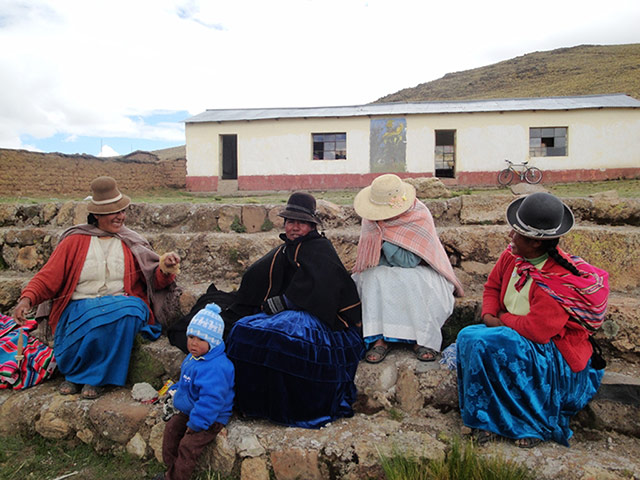
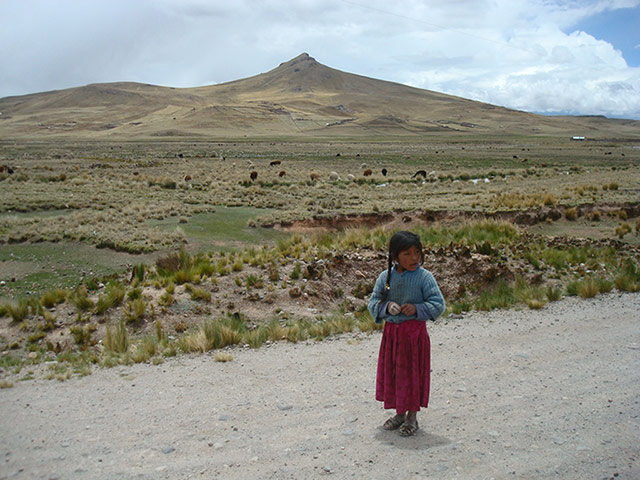
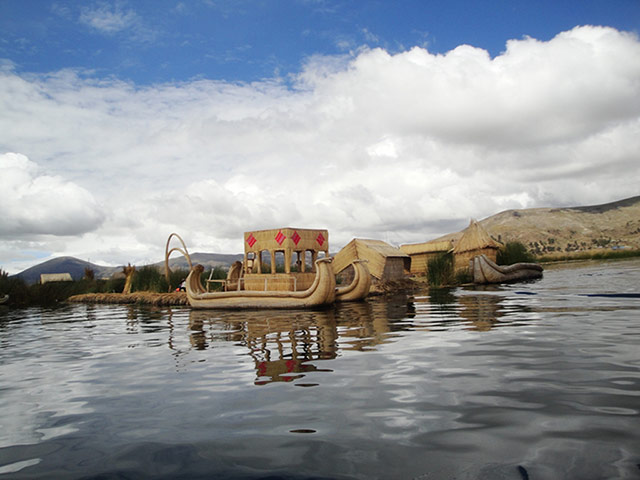
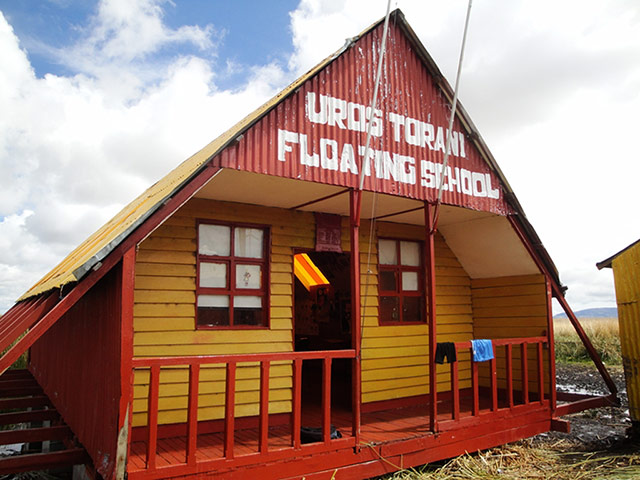
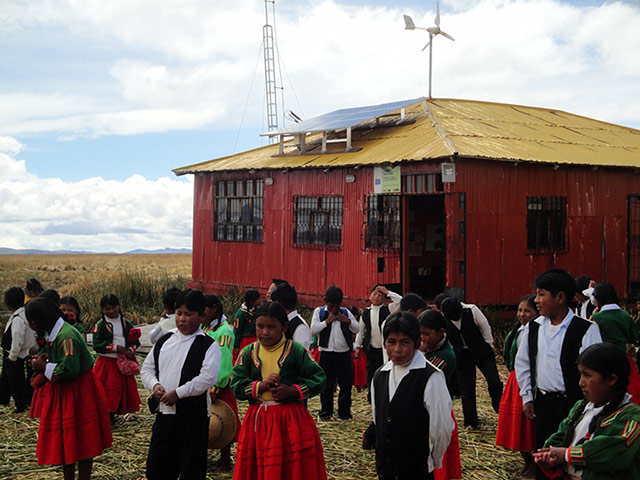
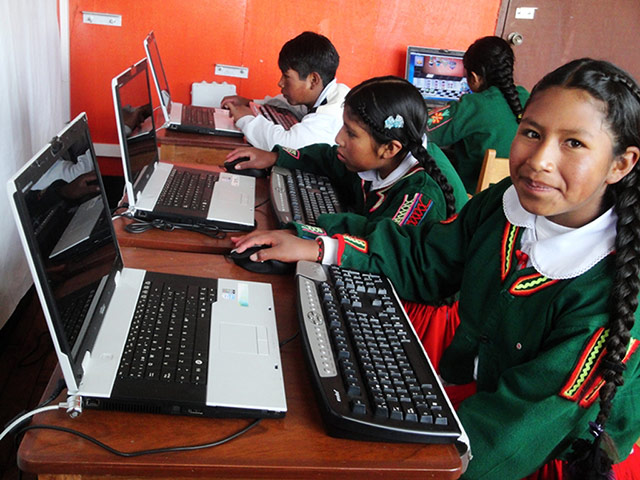
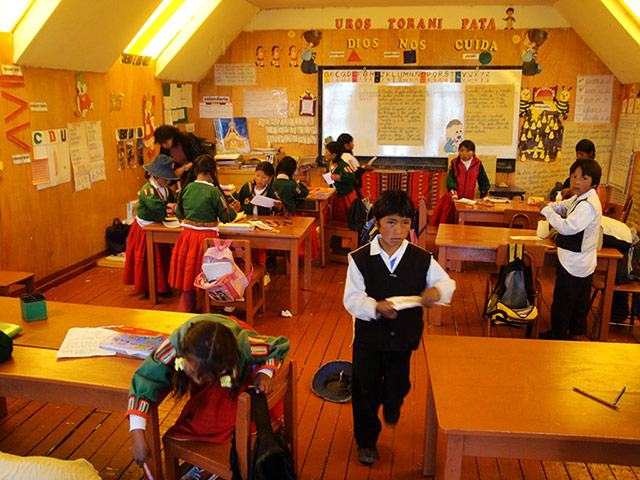
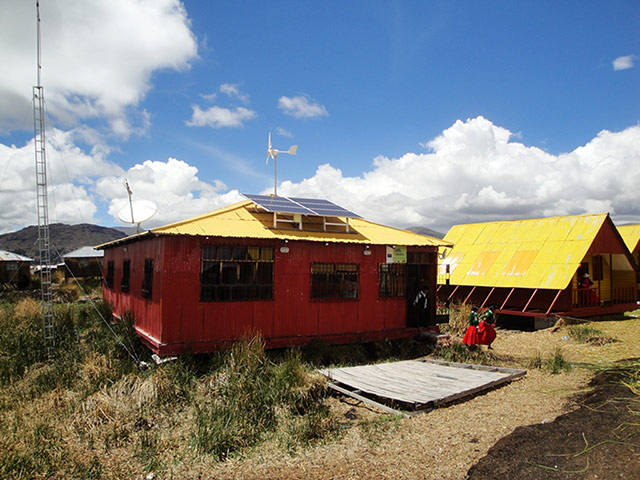
At 4,250 metres above sea level, the village of Pasiri is five hours' walk from the nearest town and has no electricityPhotograph: Mattia CabitzaSixty-three per cent of Peruvians live in rural areas and one in three do not have electricity in their homesPhotograph: Mattia CabitzaPasiri is a poor community. The soil at this altitude is unsuitable for agriculture, and the community makes meagre earnings from livestockPhotograph: Pilar de Vera SantanaThe village is among 600 in the eight poorest nations of Latin America that has benefited from solar panels. They were donated by the European Union and its local partners, and can also run on wind powerPhotograph: Mattia CabitzaThe Euro-Solar programme has also provided a refrigerator to store vaccines. 'Before, I had to transport them with my thermos,' says Leonor Ancota, who runs the health centre. 'But now it’s much easier because they’re always at my disposal'Photograph: Mattia CabitzaThese Pasiri women say they are happy that solar energy is providing a better future for their childrenPhotograph: Mattia CabitzaAccess to computers will change life for even the youngest children in Parisi, who currently use them to play games so that they get used to the new equipmentPhotograph: Pilar de Vera SantanaThe Uros people live in small floating islands in the bay of Puno on the shores of Lake Titicaca, in south-eastern Peru. The 60 islands are home to about 1,000 people and are made out of the reeds that grow in abundance in the shallow waters Photograph: Mattia CabitzaPhotograph: Action imagesOn one of the islands is a primary school. Facilities are basic but it now has a classroom with electricityPhotograph: Mattia CabitzaThe children assemble for morning roll call. Twice a week, they have computer classes in the stilt building behind themPhotograph: Mattia CabitzaLuz Mery, who is 11, likes to write and draw. Now she can also browse the internet on one of the five computers donated by Euro-Solar, which are connected via a free satellite link Photograph: Mattia CabitzaPhotograph: Action images'Internet is necessary on the island,' says one of the teachers. 'The children want to learn about other parts of the world, and now they can view videos and photos about other countries'Photograph: Mattia Cabitza'Part of the objective of the project,' says a Euro-Solar project co-ordinator, 'is to reduce migration of people from rural areas by giving them better conditions where they live and the same opportunities they would have in the city'Photograph: Mattia Cabitza