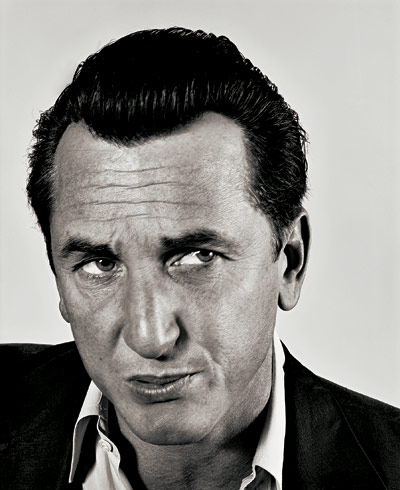
“Penn was adopting an expression that I didn’t want, and I found it hard to break it. I felt like it was the expression I’ve always seen him with. I think I finally did it by allowing him to smoke a cigarette, and by talking to him. When I saw the picture, I was thrilled.” Photograph: New York Times Magazine

“This was about a month before the Oscars. For most actors, when you photograph them, it’s about making them look skinnier. I’m not into that. Gabby is the size she is – why would you hide that? I wanted the pictures to be flattering without being dishonest. She was a great model.” Photograph: New York Times Magazine
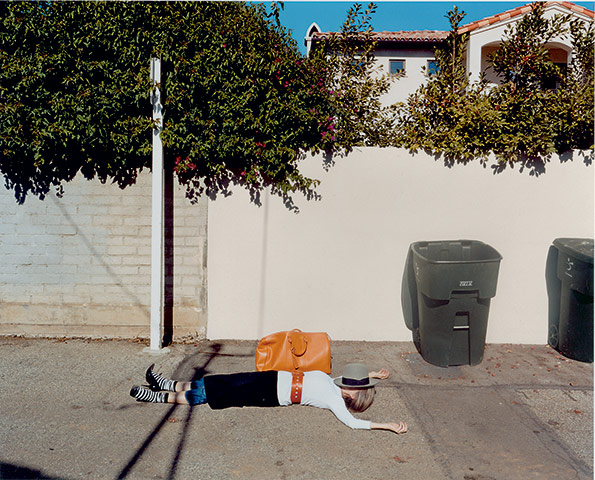
“When Diane Keaton arrived, she was wearing a hat. As soon as we began, she took it off and started hiding behind it. I think she was surprised I said, ‘OK, if you want to hide your face, let’s do it all the way.’ I asked her to lie in this alley and put her hat over her face. A man saw us and shouted, ‘Hi, Diane Keaton!’ He recognised her just from the hat.” Photograph: New York Times Magazine
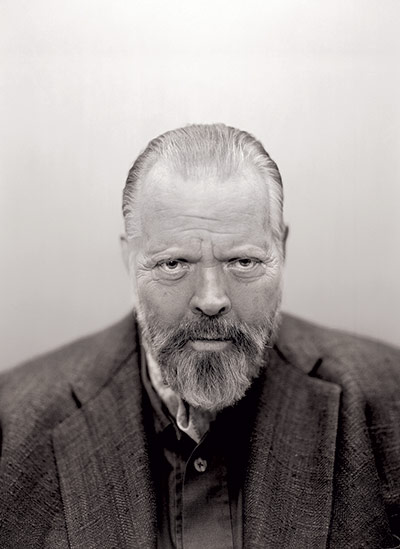
“This is one of the last photographs of Orson before he died. He loved my camera – a gigantic Deardorff – and decided he had to direct me and tell me where to put the light. So even in his last days, he was performing his directorial role perfectly, and bossing me around. Which was precious.” Photograph: New York Times Magazine
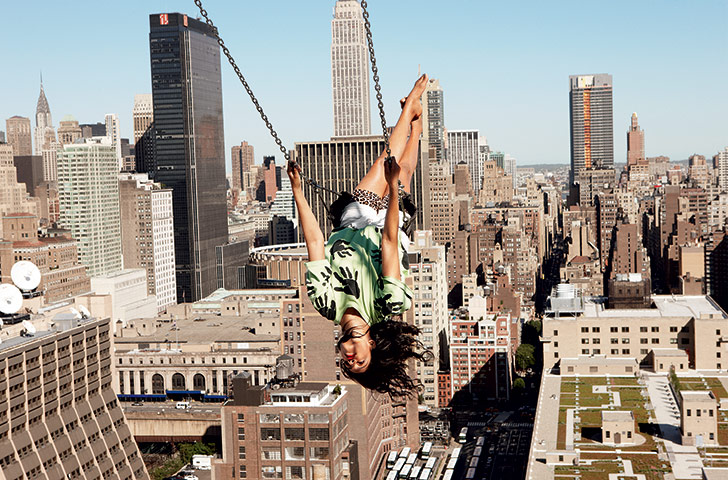
“We had to basically rig a truss for this swing; it was a major production to make sure it was safe. I tried it out. MIA might have gotten there and said, ‘I’m not doing this; this is too crazy.’ But she got on and just started swinging like it was something normal. I remember her saying, ‘If I’m going to go out, this is an awesome way to go.’” Photograph: New York Times Magazine
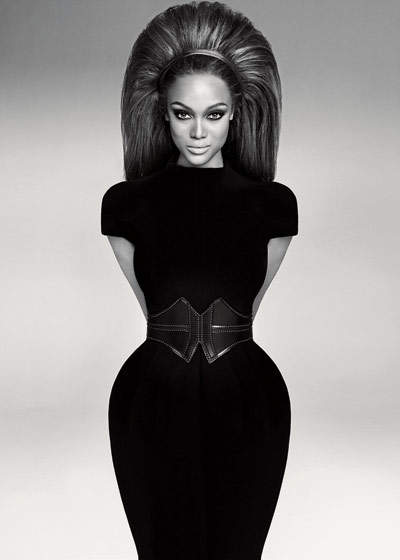
“At the time, her talkshow was a big hit in the US. The fact that she was such a role model for women and girls, and how she embraced her model history and her passion for women’s issues, guided me to create an image that would be iconic and classic, yet one that would represent her spirit, her glamour, as well as her curves.” Photograph: New York Times Magazine
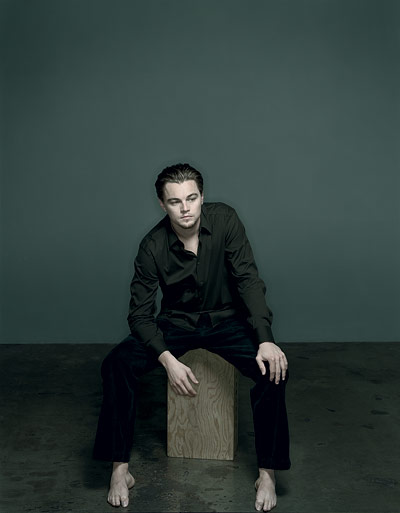
“Often, when you’re photographing big movie stars, there’s a whole production that goes on, but when there are only a few people involved, there’s a much more relaxed vibe. Here, I just let him get into his zone. I think Irving Penn is my biggest influence – with the idea that the quietness of an individual often speaks so loudly.” Photograph: New York Times Magazine
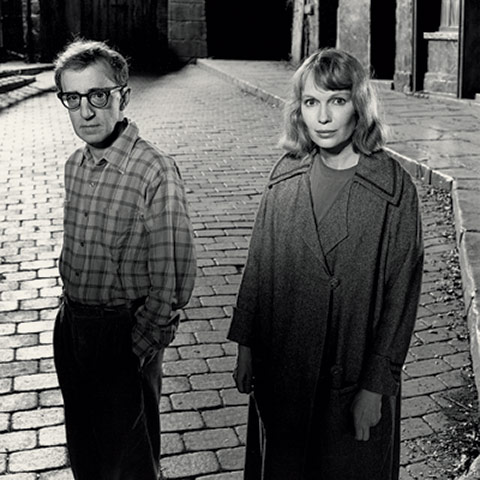
“Woody Allen insisted on the negative space in this. He said, ‘I’ll do the picture with Mia, but we cannot touch.’ I thought, ‘That is the weirdest request, but if that’s what he wants, it makes a better picture.’ We set up all these lights, and at the last minute one failed – but it made the picture more powerful, because it emphasised the distance between them.” Photograph: New York Times Magazine

“We shot Marion Cotillard in Montauk, New York. She was up for an Oscar for La Vie En Rose. An assistant was holding my legs – I was hanging off a cliff. Looking at the photograph, you feel like you’re there. You can taste the wind and smell the ocean. You can see in her eyes how windy it was. All the elements of nature are in this, plus her sincerity and beauty.”
These photographs are taken from The New York Times Magazine Photographs, published by Aperture at £50. To order a copy for £40 (including UK mainland p&p), go to guardian.co.uk/bookshop. Photograph: New York Times Magazine
