Texts from the frontline: disaster reduction in Bangladesh – in pictures

Mobile phones are being used to gather hard facts about whether the UN's 10-year programme to reduce disasters is working. The Global Network for Disaster Reduction is surveying thousands of people vulnerable to disaster via text


Disaster prevention: Bangladesh described as the world's disaster laboratory
The Views from the Frontline project has gathered information from people in 69 countries to chart progress in reducing the impact of disasters and find out what people's real needs are. The organisation responsible for the survey, the Global Network for Disaster Reduction, believes that "if you want to help people affected by disaster, you should try talking to them" Photograph: Richard Gibson/www.globalnetwork-dr.org
Disaster prevention: Bangladesh described as the world's disaster laboratory
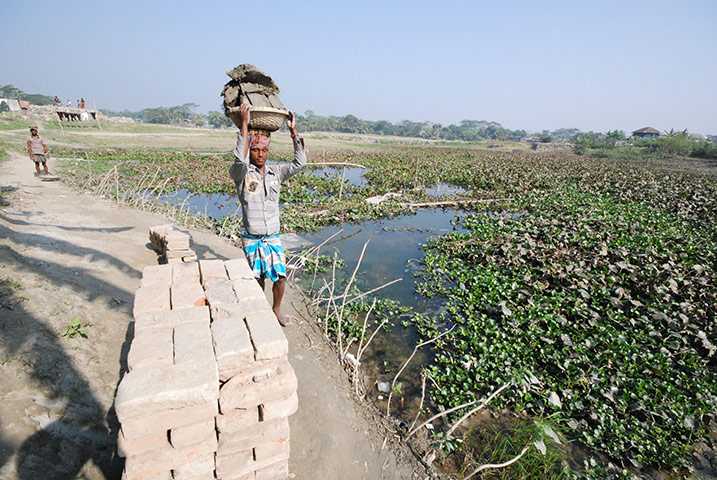
In the disaster-vulnerable coastal Shariatpur region of Bangladesh, one of thousands of locations where the survey took place, people try to build up flood defences and embankments from heavy clay to protect themselves from the monsoon floods each spring
Photograph: Richard Gibson/www.globalnetwork-dr.org
Photograph: Richard Gibson/Action images
Disaster prevention: Bangladesh described as the world's disaster laboratory
This year, the Global Network for Disaster Reduction gathered responses from more than 36,000 people by text or through the internet. People shared views on the progress of disaster reduction plans in their locality. The results of the survey were prepared for the biennial UN conference on disaster risk reduction, being held in Geneva this week
Photograph: Richard Gibson/www.globalnetwork-dr.org
Photograph: Richard Gibson/Action images
Disaster prevention: Bangladesh described as the world's disaster laboratory
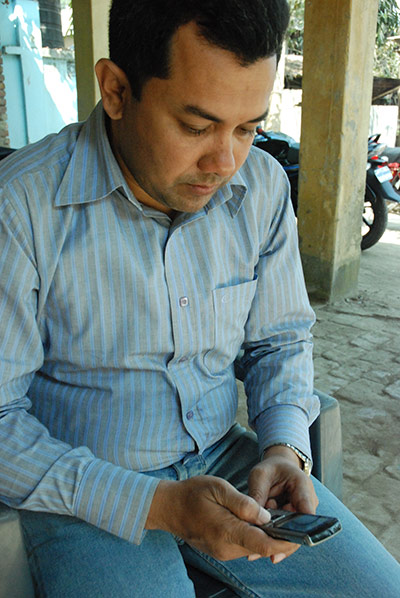
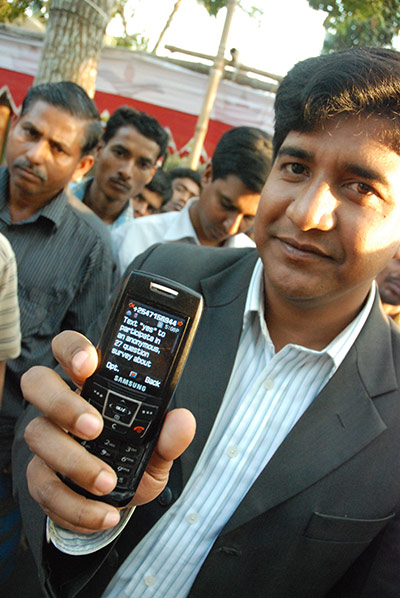
Teacher Muhammed Fakruzzaman Shahin holds up his phone with one of the first messages participants received asking them if they want to be part of the project. Shahin said: "This is an excellent idea, this is the age of technology and this is a great use of technology. It supports us to express our opinions and express our views, to share our views with others. It also raises public awareness, and if the public are aware of the needs then they will put pressure on the authorities. If they create pressure, then the authorities will take action and plan to reduce disasters" Photograph: Richard Gibson/www.globalnetwork-dr.org
Disaster prevention: Bangladesh described as the world's disaster laboratory
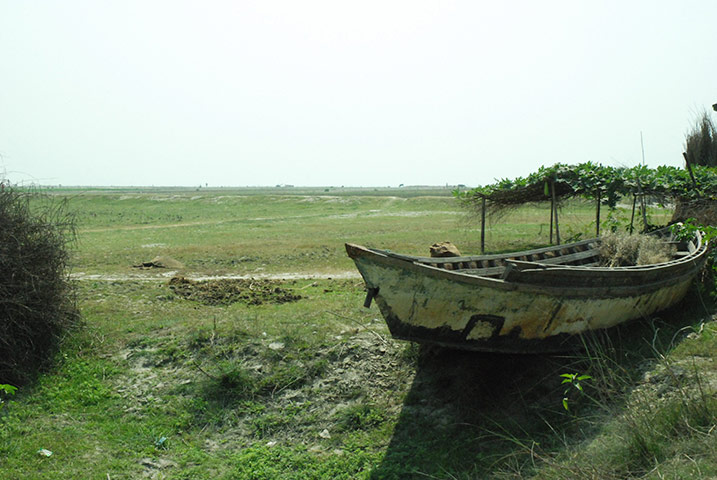
Baba Char island in the Meghna estuary of Bangladesh is an island particularly prone to flooding. The stranded boat is a reminder that this whole area will be covered in water when the monsoons come. The disaster survey has delivered clear messages from communities like those on Baba Char - the UN goal of a reduction in disaster losses was not being achieved Photograph: Richard Gibson/www.globalnetwork-dr.org
Disaster prevention: Bangladesh described as the world's disaster laboratory
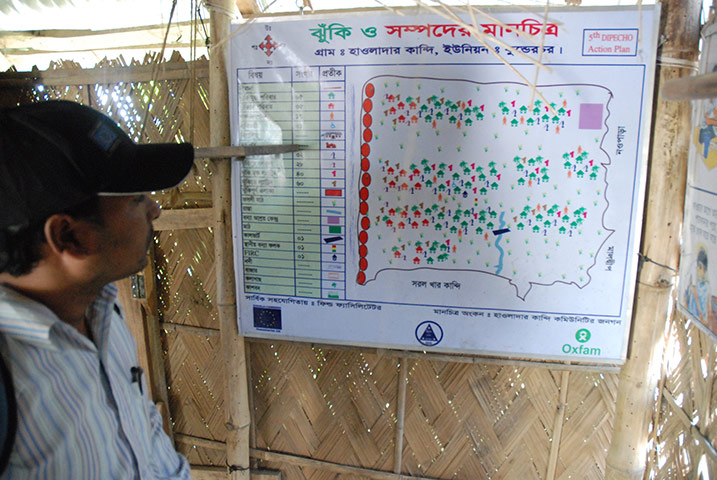
Locals look at a map of Baba Char island. The most vulnerable hotspots for flooding are marked in red
Photograph: Richard Gibson/www.globalnetwork-dr.org
Photograph: Richard Gibson/Action images
Disaster prevention: Bangladesh described as the world's disaster laboratory
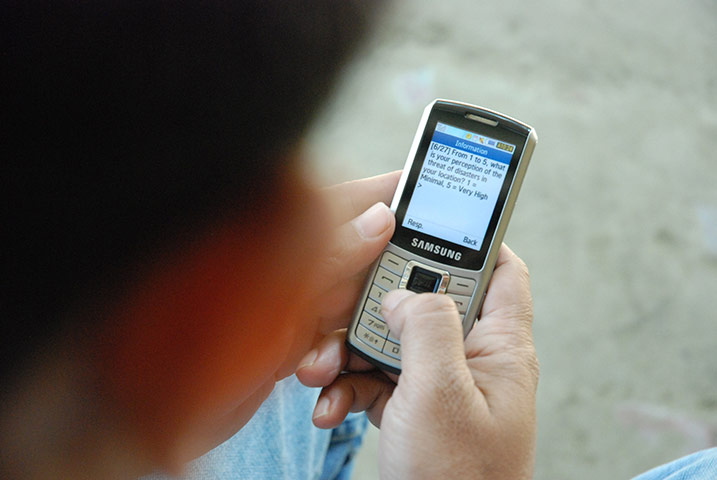
Muhammed Shamsuddoha participates in the text survey. The Views from the Frontline project seeks to identify what ought to happen to protect against disaster. Evidence shows that effective plans for action start with people finding out and talking about the risks they face. The clear message is that over the next two years everyone in disaster prone countries should work together to conduct 'disaster risk assessments' and develop plans to address the risks Photograph: Richard Gibson/www.globalnetwork-dr.org
Disaster prevention: Bangladesh described as the world's disaster laboratory
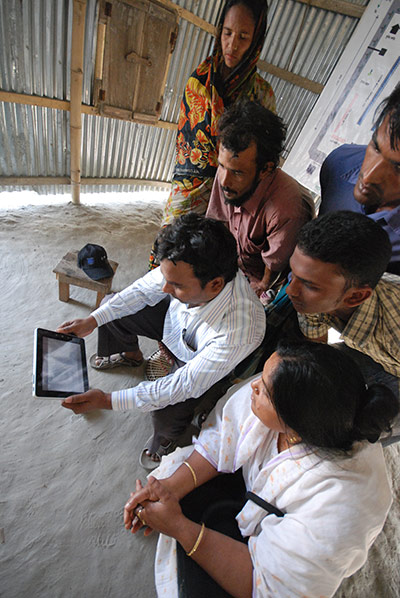
As well as text messaging, information is now being shared in rural communities, like on Baba Char island, using new tools like Android Tablets. With 80% of the world now having access to a mobile phone, opportunities for information gathering, sharing and reporting from some of the most vulnerable communities are opening up Photograph: Richard Gibson/www.globalnetwork-dr.org
Disaster prevention: Bangladesh described as the world's disaster laboratory
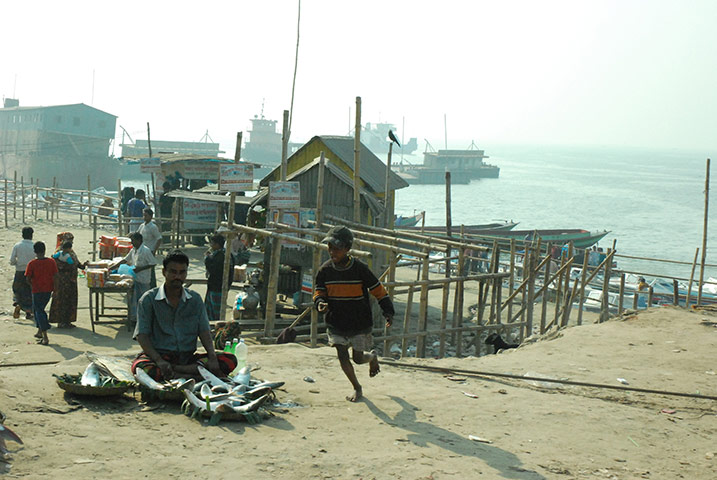
The Shariatpur region depends on water, but suffers from the impact of too much. The land is fertile but the floods can also cause huge devastation Photograph: Richard Gibson/www.globalnetwork-dr.org
Disaster prevention: Bangladesh described as the world's disaster laboratory
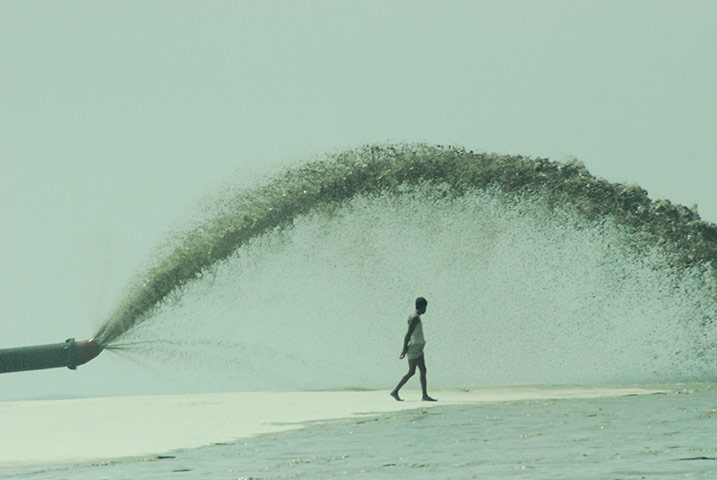
Silt being pumped out of the Meghna river by a dredger. The river in Bangladesh carries silt down from the Himalayas, making the flooding worse in the Shariatpur region Photograph: Richard Gibson/www.globalnetwork-dr.org
Disaster prevention: Bangladesh described as the world's disaster laboratory
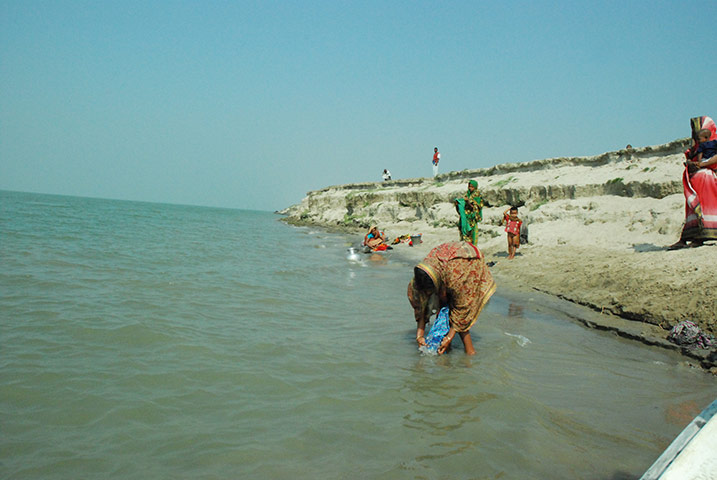
Baba Char island is being eroded by the rising waters, driven by silting and climate change. Metres of soft clay are cut away every year Photograph: Richard Gibson/www.globalnetwork-dr.org
 

Leave a Comment

Required fields are marked *

*

*