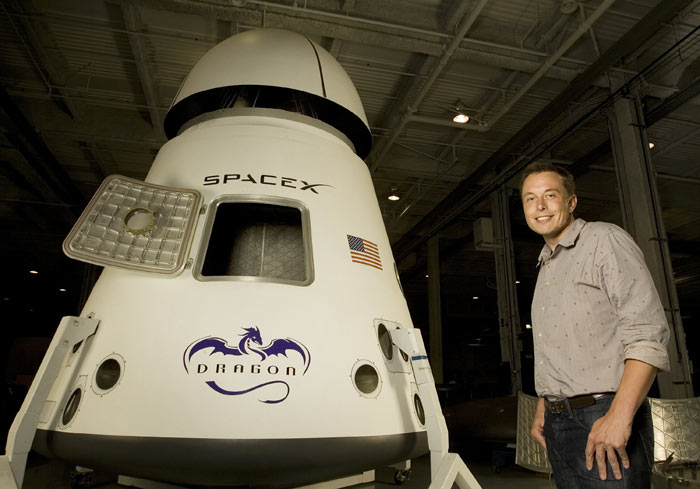
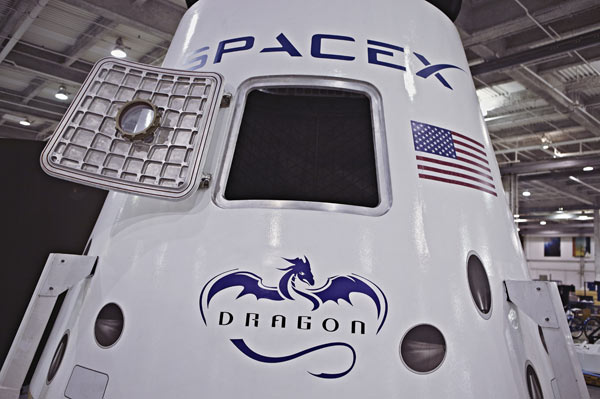
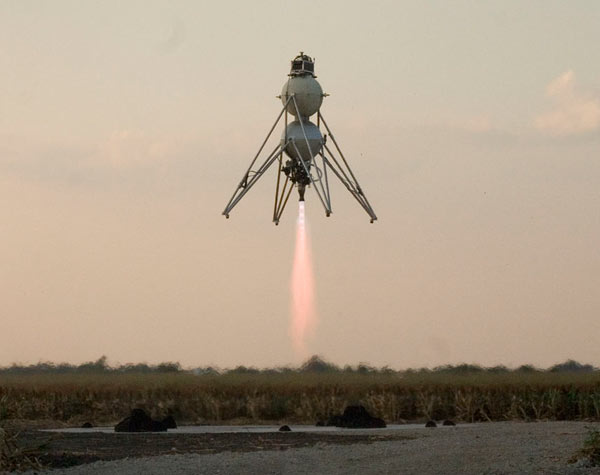
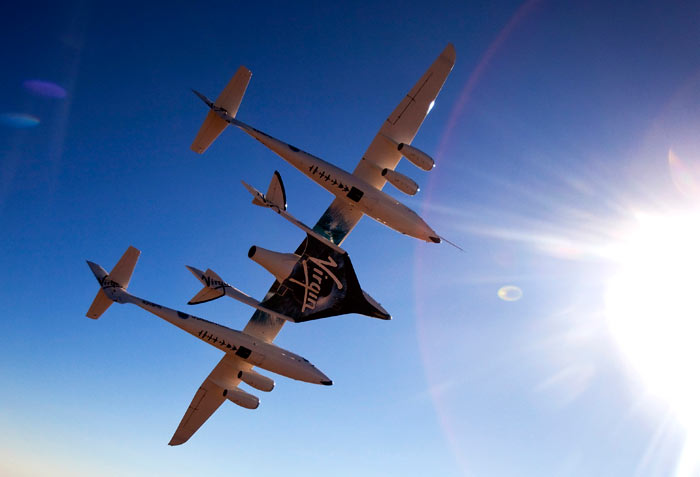
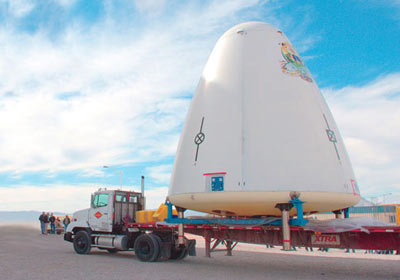
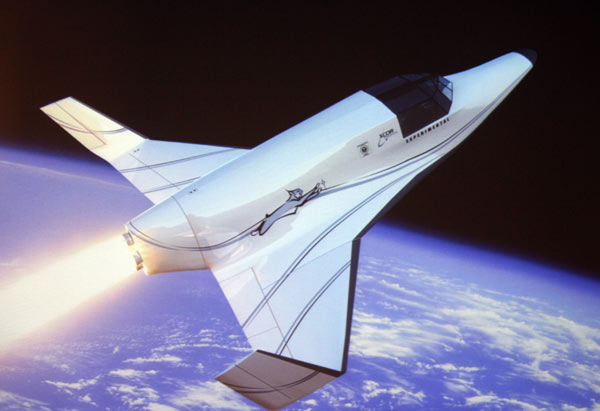
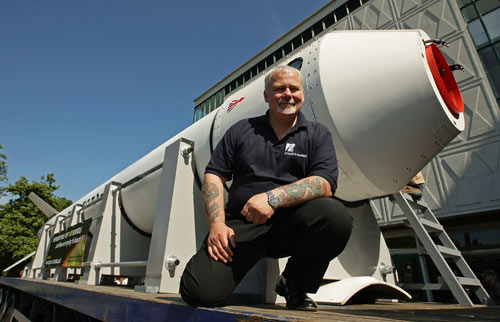
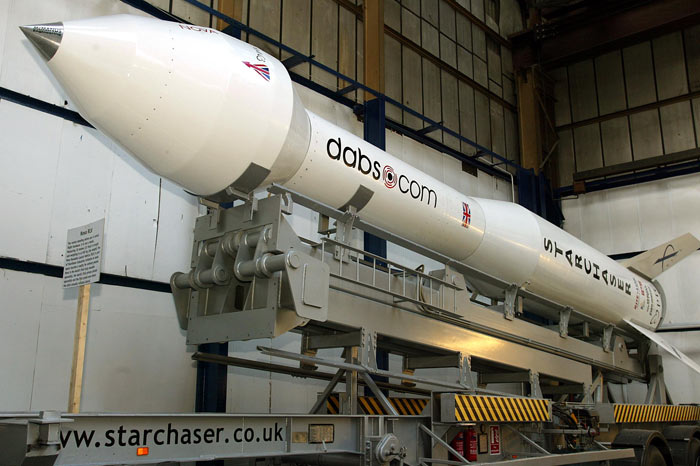
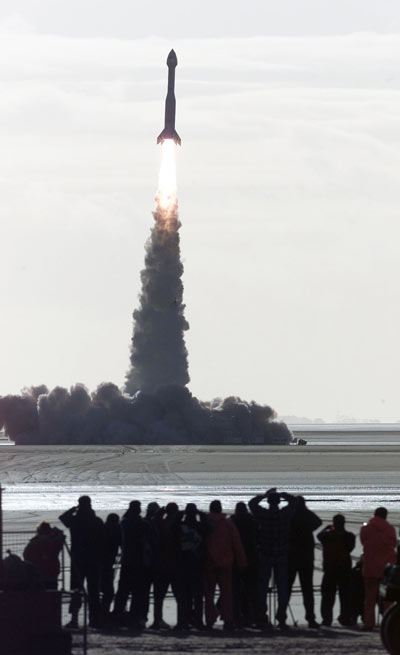
Elon Musk, chief executive officer and chief technology officer of SpaceX, with his Dragon space capsule at the company's headquarters in California. Musk is an entrepreneur who made his fortune after developing the PayPal online payment systemPhotograph: Dan Tuffs/Getty ImagesA close up of the Dragon capsule, which will be launched on a Falcon 9 rocket. The rocket was successfully launched from Cape Canaveral Air Force Station on 4 June. Crucially, SpaceX founder Elon Musk's aim is for the Falcon 9 to be reusable: “We will never give up! Never! Reusability is one of the most important goals. If we become the biggest launch company in the world, making money hand over fist, but we’re still not reusable, I will consider us to have failed”Photograph: Jamie-James Medina/NB PicturesJohn Carmack, the man behind video games such as Doom and Quake, set up Armadillo Aerospace in 2000. Here, its Lunar Lander vehicle makes a free-flight landing on the lunar pad. Tourist fares will cost around $100,000 through the Virginia-based travel company Space Adventures, which has signed an exclusive deal Photograph: Courtesy Of Armadillo AerospacePhotograph: otherNot one to miss out on an adventure, Richard Branson set up Virgin Galactic with the aim of launching the world's first private, environmentally friendly spaceflight company. Its space tourism rocket, SpaceShipTwo, centre, has so far been carried aloft three times on the wing of its jet-powered mothership WhiteKnightTwo. This includes a flight on 15 July which had two pilots aboard for the first timePhotograph: Mark Greenberg/APJeff Bezos, founder of Amazon, set up his space company, Blue Origin, in 2000, though its existence only became public in 2003 when Bezos started buying land in Texas so that he could build a test site for his spacecraft. Blue Origin's main project is New Shepard, above, a vertical take-off and landing rocket that is designed to take tourists to the edge of Earth's atmospherePhotograph: Public DomainA reproduction of XCOR Aerospace's Lynx which was unveiled in 2008. The Lynx is a suborbital winged vehicle which will carry a pilot and a passenger to the edge of space and return about 25 minutes later, landing like an aeroplane. Tickets for a Lynx suborbital flight are available for $95,000Photograph: Gabriel Bouys/AFP/Getty ImagesBritish rocket scientist Steve Bennett, head of Starchaser Industries, poses with his space project the Nova 2 in Salford. The rocket tested safety systems in preparation for future Novas which will take fare paying space tourists beyond the atmospherePhotograph: Christopher Furlong/Getty ImagesThe Starchaser Industries Nova rocket, pictured here in its UK workshop, was the first private piloted spaceship to be designed and built in the UKPhotograph: Don Mcphee/Public DomainNova makes a dramatic lift-off from Morecambe Bay in 2001Photograph: Owen Humphreys/PA