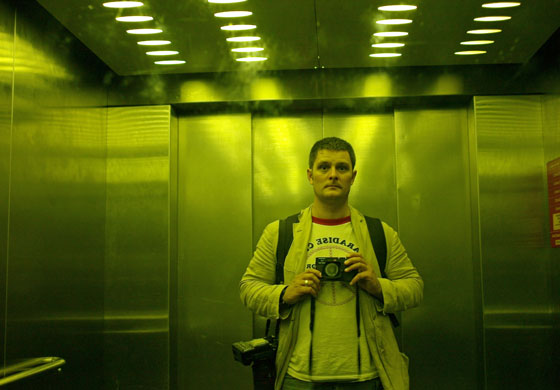
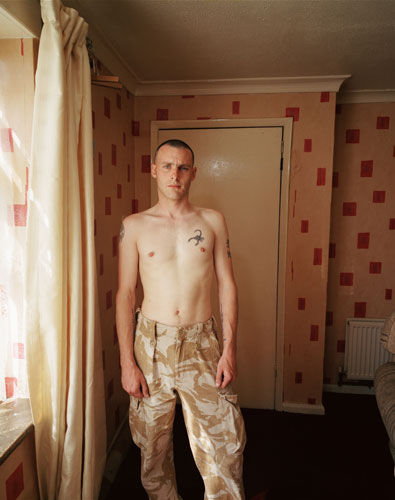
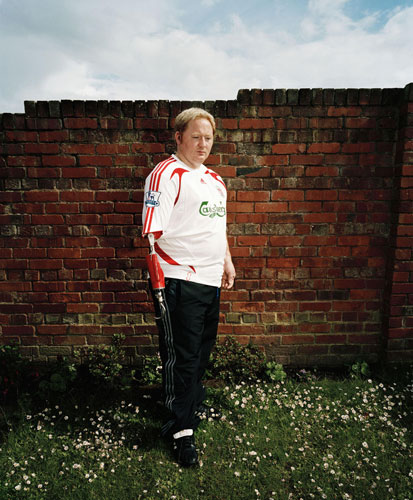
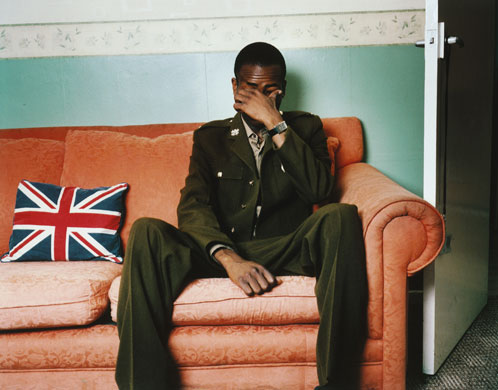
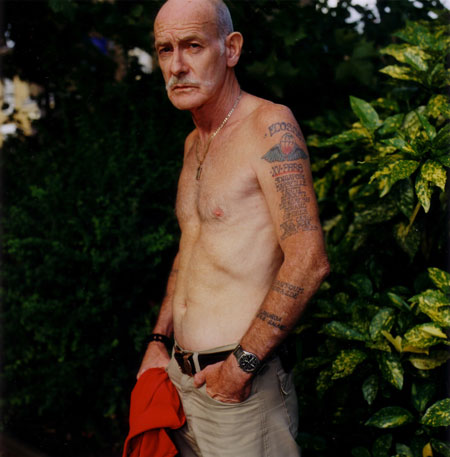
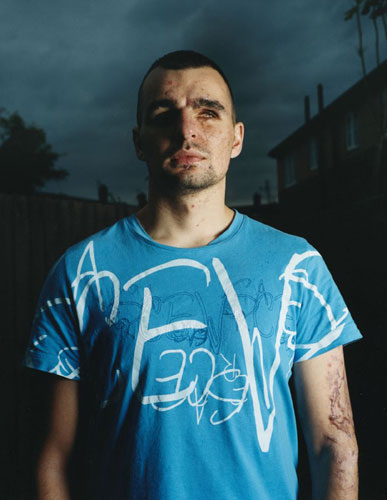
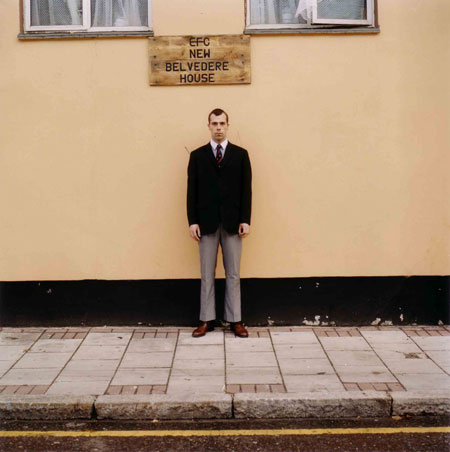
Stuart Griffiths, ex-Para and now a photographer, is the subject of Isolation, a film made by Luke Seomore and Joe Bull about his extraordinary life. After leaving the army, Griffiths found himself homeless, a fate he shared with a quarter of all British ex-soldiers. The film explores the fate of British soldiers who have left the service through injury and illness, many of whom feel they have been let down by the institutions for which they sacrificed so much. His moving portraits of ex-soldiers tell their own story.
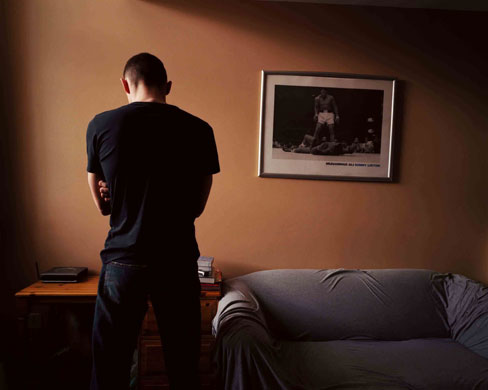
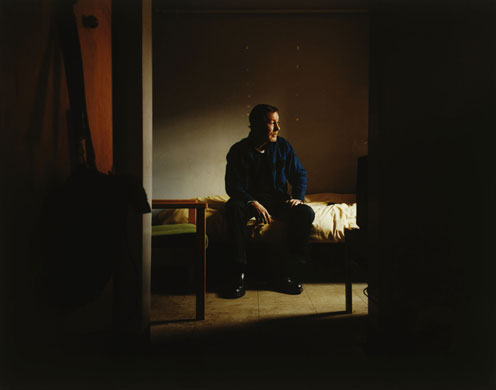
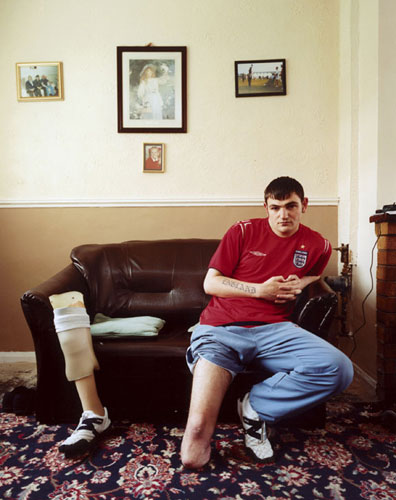
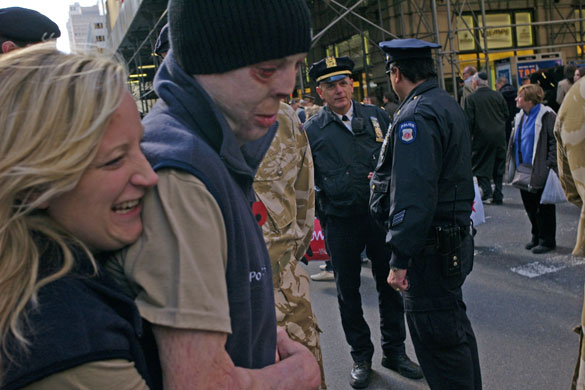
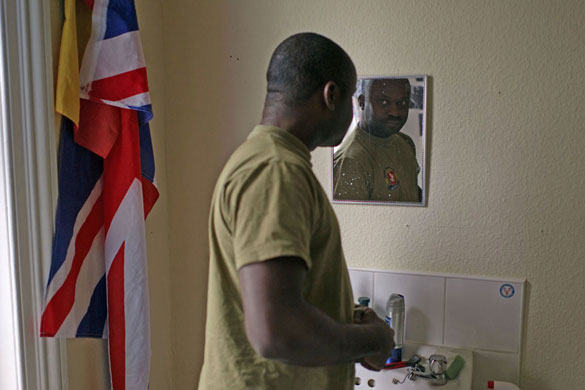
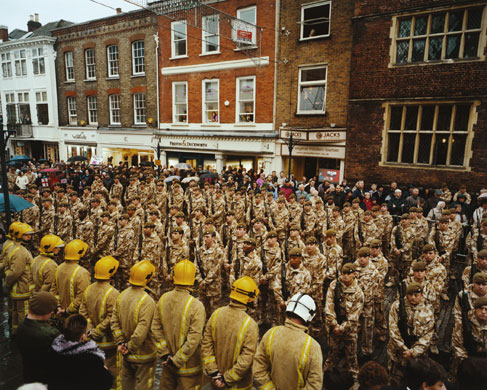
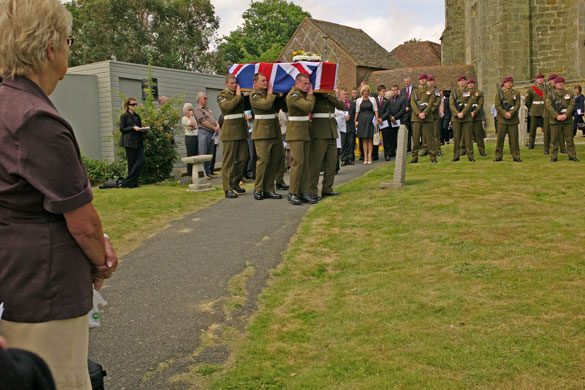
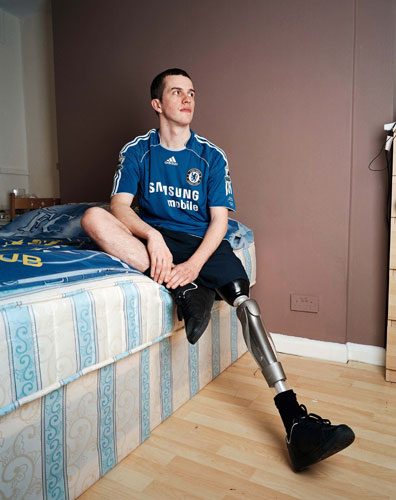
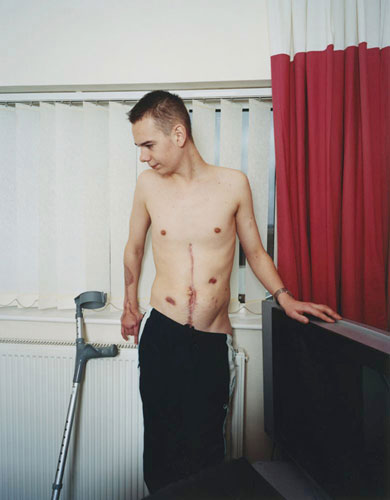
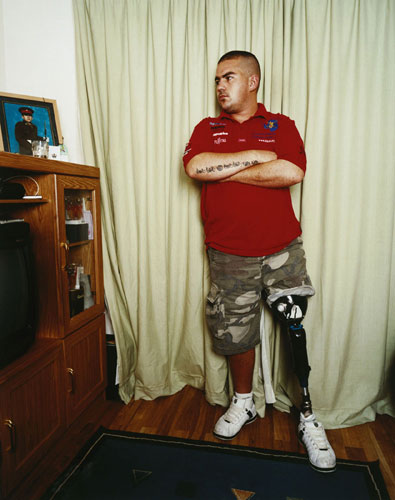
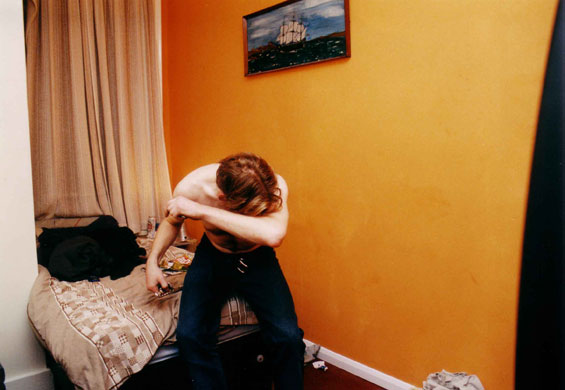
Staurt Griffiths, photographer, takes a self-portrait in a lift with his Leica.Photograph: guardian.co.uk'Mark' an Iraq war veteran, photographed in his room at The Galleries Hostel for homeless Ex-Servicemen, North Yorkshire 2006 Photograph: guardian.co.ukA veteran sits alone on his bed.Photograph: guardian.co.ukChris Thompson, photographed in Bishop Auckland, north east England, June 2006 Photograph: guardian.co.ukTony Bradshaw served with the Pioneer Regiment in Iraq 2003. When he returned to the UK he was medically discharged. He is photographed at his home in Hull, UK 2006 Photograph: guardian.co.ukMark Drydon, a British soldier injured in Iraq, photographed at his home in Berrick Upon Tweed, north east England UK 2007 Photograph: guardian.co.ukMartyn Compton a British soldier badly injured in the Afghanistan conflict prepares his visit to New York, where he is guest of honour at the Veterans Day parade. He will be going with fellow soldiers and wives from his Regiment. Martyn's wife Michelle, is also going to be by Martyn's side. But despite the honour of going to the USA, the question remains of why he was not invited to attend the Cenotaph in London to stand along side the Queen and members of the British Government Photograph: /guardian.co.ukJoe a former British soldier, in his room at the Homebase 'hostel' in Hammersmith, London 'Homebase' is a facility which provides accomodation for service leavers who are finding it difficult to find accomodation. Some 'residents' have suffered homelessness, but nowadays, service leavers are given contact deatils for organisations like 'Homebase' to prevent them from living on the streets. The problem of homeless ex-servicemen (& women) has in the past been a big problem for the goverment and it is something the MoD and its agencies want to quosh.Photograph: guardian.co.ukHomecoming parade, Guildford town centre, 10.30am Tuesday 20 November 2007. Residents, visitors and workers in Guildford are set to line the streets of the town centre next week to welcome home the 1st Battalion Royal Anglian Regiment (The Vikings) from a six-month tour of duty in Afghanistan. The homecoming parade, organised by Guildford Borough Council, will take place on Tuesday 20 November. The public will see 400 soldiers from the regiment march through the town centre with a military band. The Mayor of Guildford will host a reception at the Guildhall for some members of the regiment and their families. Mayor of Guildford Cllr Mike Nevins says: Many of the troops have families who live, work and play in the borough and consider it their home. We hope as many people as possible will come to the town centre to watch the parade and give the regiment a really warm welcome. Stuart Griffiths Iraq war veterans British Army homecoming paradePhotograph: guardian.co.ukThe funeral of Private Gamble, the 100th British soldier killed in Afghanistan. Private gamble was a member of the 2nd Battalion The Parachute Regiment, based in Helmand. He was killed with two other soldiers in a suicide bomb attack. Private Gamble's funeral takes place in his birth town of Uckfield, East Sussex, UK. The church service is at the Holy Cross Church Uckfield. Photograph: /guardian.co.ukSteve Shine, a British soldier from the Royal Tank Regiment, was injured in Iraq by a road side bomb. He is photographed at his home in London Photograph: /guardian.co.ukJamie Cooper photographed at his home in Bristol, January 2008. Jamie was injured in Iraq in November 2007. He is the youngest casulty of the war and was injured by a mortar attck on his Basra base. Photograph: guardian.co.ukAndy Julein was injured in Iraq in 2003, when his Challenger tank was hit by another British Army Challenger tank, during the build up of the war. He was photographed at his home in Manchester Photograph: /guardian.co.ukPicture shows: James Gallagher, a homeles ex-serviceman, east London 2003. Photograph: guardian.co.ukShortly after his eighteenth birthday, Craig "Freddie" Lundberg was sent on his first tour of duty in Iraq. Four years later he was back in Basra on his second. "It was different this time, it was a lot more dangerous." On the night Lundberg got hit, his section was involved in an operation to arrest a group of local insurgents when they came under fire. He was hit by two rocket-propelled grenades, which caused the loss of his left eye, serious damage to his left arm and severe burns and shrapnel wounds to his face. Lundberg's right eye was also damaged, leaving him blind. Lundberg, who has fought to remain in the Army in any capacity available to him. "I just think all I've done was a waste. Why has it taken me to be in this state and two of my best mates to get killed for them to say, 'Oh yeah, we're getting out now'? What difference did we make in that tour? Did we make that much of a difference that we can pull out now? I honestly don't think we did." Photograph: guardian.co.ukJames Nicholls, homeless ex soldier, resident of ex forces hostel, photographed in east London, December 2003 Photograph: guardian.co.ukAged 20, Lionel decided to pursue his childhood dream and joined the Army, becoming a private in the Royal Anglian Regiment. In April 2007 his battalion was deployed to Iraq, and a month later a roadside bomb (IED or Improvised Explosive Device) blew up beneath O'Connor's armoured Land Rover. He lay on a street in Basra in an expanding pool of his own blood, having been blown up by a roadside bomb. In absolute fear, knowing that he had lost his leg and knowing that the only light was the burning Land Rover from which he had been thrown, he directed his comrades to deal with two more seriously wounded colleagues, both of whom died later. Lionel survived that horrific experience, but he faces the rest of his life as an amputee. Photograph: /guardian.co.ukA resident in one of the tiny rooms at the ex forces hostel in east London, November 2001Photograph: guardian.co.uk